Before I will go deeper into the digital media pros and cons I wish to start by defining what Digital Media actually is.
Digital media is digitized content that can be transmitted over the internet or computer networks. This can include text, audio, video, and graphics. This means that news from a TV network, newspaper, magazine, etc. that is presented on a Web site or blog can fall into this category. Most digital media are based on translating analog data into digital data. The Internet began to grow when text was put onto the Internet instead of stored on papers as it was previously. Soon after text was put onto computers images followed, then came audio and video onto the Internet. Digital media has come a long way in the few short years to become as we know it today and it continues to grow.
Digital media encompasses everything we consume online via mobile devices, tablet PCs, and conventional computers. In other words, it's the dissemination of digital data through the aforementioned technological interfaces in such a way that the data is presented in an engaging and useful manner to the target audience.
Digital Media is a blend of technology and content, and building digital media products requires teams of professionals with diverse skills, including technical skills, artistic skills, analytical and production coordination skills.
Digital media is information shared through a digital device or screen. Essentially, it’s any form of media that relies on an electronic device for its creation, distribution, viewing, and storage. Companies often use this media to advertise their businesses and brands. In fact, a majority of modern marketing involves some form of digital content to create and display advertisements—including social media posts, video advertisements, and blogs or research articles.
Digital media is defined as products and services that come from the media, entertainment and information industry and its subsectors. It includes digital platforms (e.g. websites and applications), digitized content (e.g. text, audio, video and images) and services (e.g. information, entertainment and communication) that can be accessed and consumed through different digital devices.
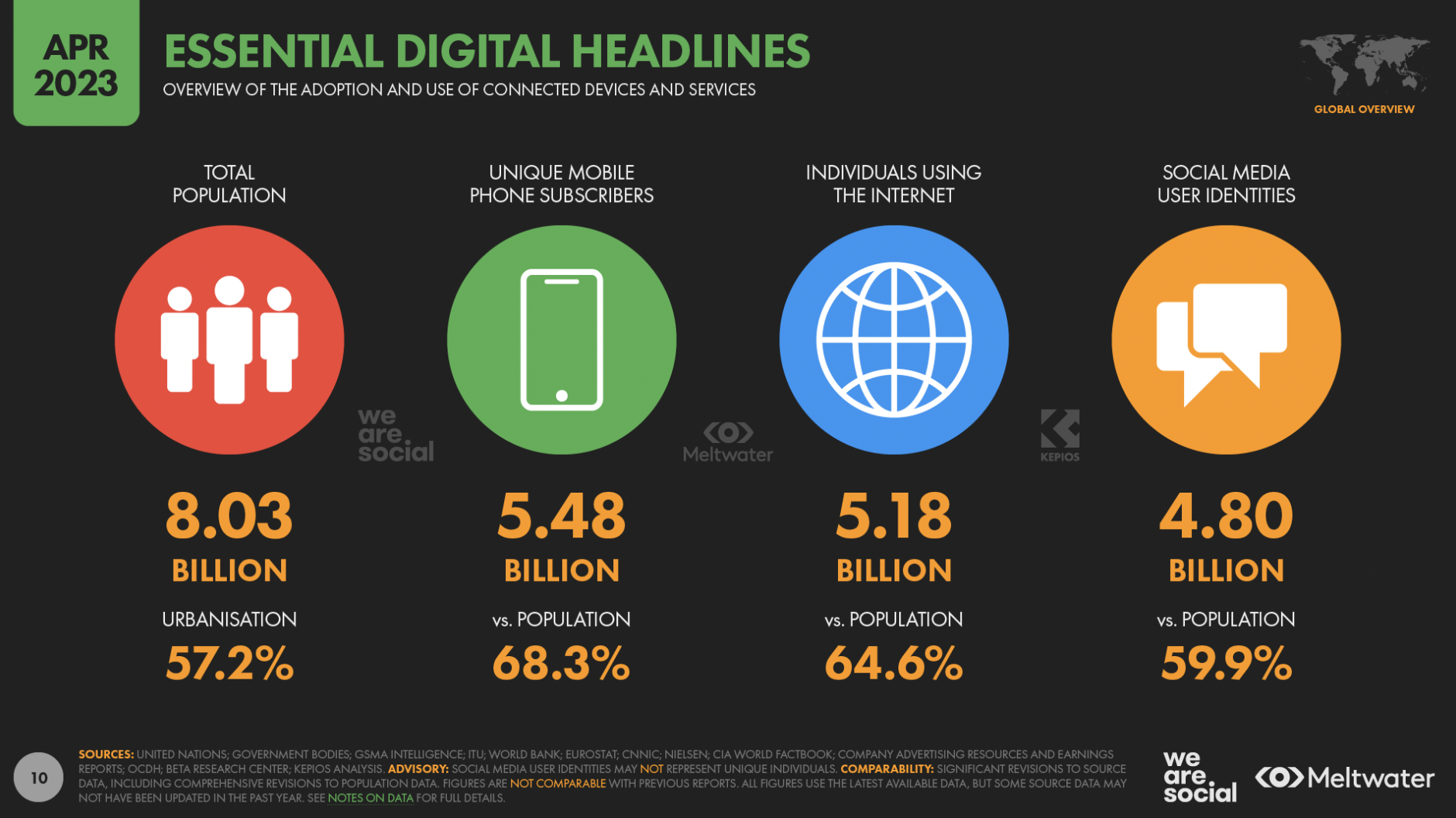
Digital media in numbers:
60% of the world's population uses social media. The average daily usage is 2 hours and 24 minutes (April 2023).
People’s online behaviours shape their digital identities. Individuals may show different behaviour patterns in different contexts (e.g. private versus professional), which may be described as different digital personae. User behaviour, preferences and concerns People are spending more and more time online. Consider these approximate figures for 2015:2 –3 billion internet users –2 billion active social media users –More than 1.6 billion mobile social accounts
Digital media products can be found in:
eCommerce
Games – console, online and mobile
Websites and mobile applications
Animation
Social media
Video
Augmented reality
Virtual reality
Data visualization
Location-based services
Interactive Storytelling
Digital media can include these industries:
Entertainment
Technology
eCommerce
Non-Profit
Health
Education
Marketing and advertising
Government
Sports
Environment
Television
Publishing